Why A Good Sense Of Humour Is Worth Encouraging In Children
Laughter Is More Than Just Entertainment
Children laugh at some wonderfully unexpected things. A silly face, an unusual noise or a completely ridiculous suggestion can send them into fits of giggles. Adults sometimes struggle to understand exactly what is so funny, but that is part of the charm of childhood humour.
Beyond being enjoyable, laughter plays an interesting role in how children interact with the world. It helps them relax, express themselves and build connections with the people around them. A shared joke can sometimes bring children together more quickly than a carefully organised activity.
Humour Develops As Children Grow
A toddler might find peekaboo endlessly entertaining, while an older child may enjoy wordplay, silly stories or jokes that rely on a clever twist. Children’s sense of humour changes as their language, imagination and understanding of social situations develop.
Parents can encourage this naturally by enjoying jokes together, playing with funny voices or making up ridiculous stories. There is no need to teach children how to be funny. Giving them opportunities to experiment with humour is often enough.
Shared Laughter Helps Children Make Friends
Starting a conversation with someone new can be difficult, particularly for children who are shy or unfamiliar with the group. A funny moment can make that first interaction much easier.
Perhaps somebody tells an amusing story, invents a silly nickname for a toy or makes an unexpected observation during a game. Suddenly, several children are laughing together and have something to talk about.
This is one reason playful experiences can be so valuable in group settings. Whether children are playing at school, meeting new friends or enjoying a celebration, humour can help break down social barriers.
Sometimes Adults Need To Be Silly Too
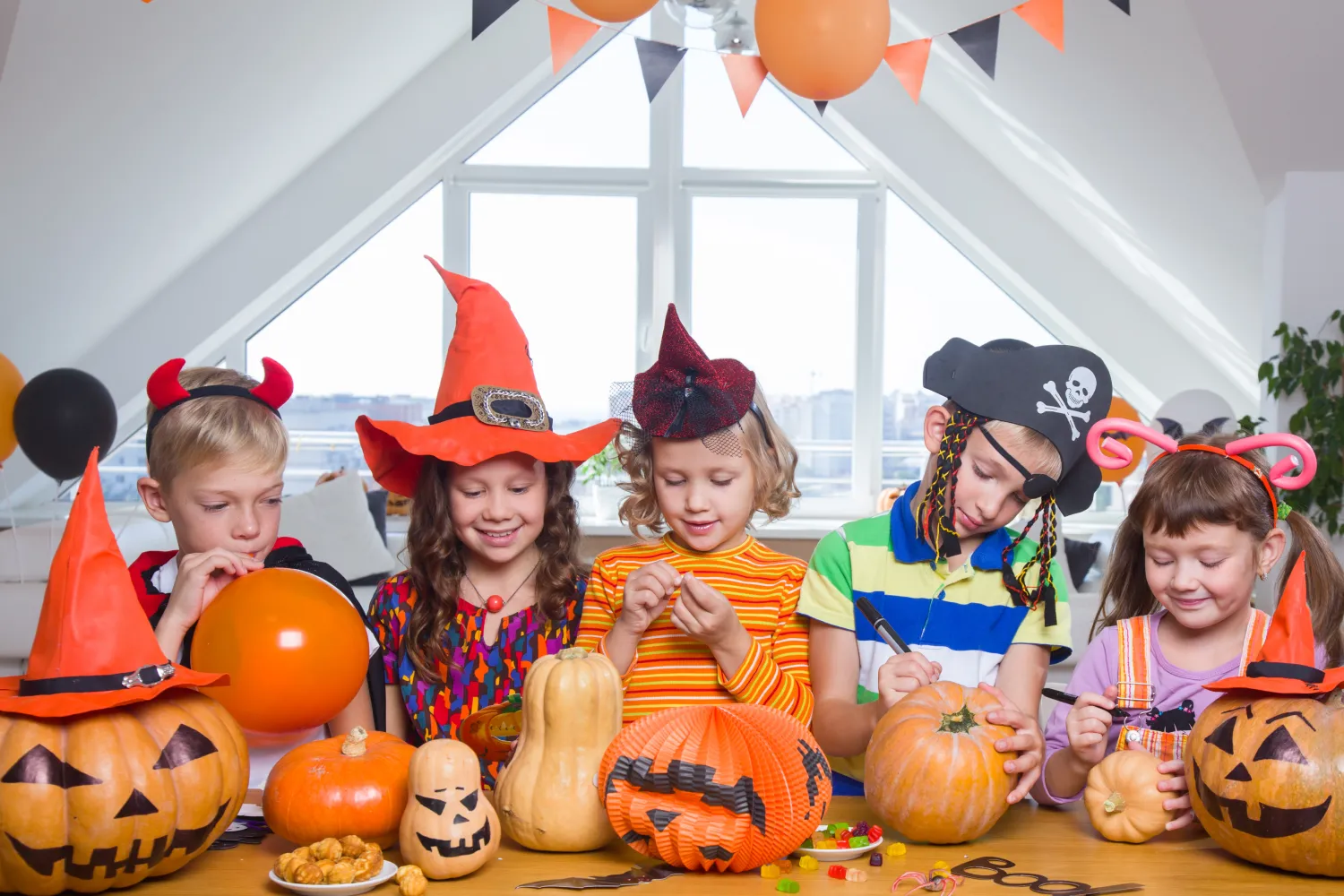
Parents can occasionally become so focused on routines, behaviour and responsibilities that they forget how enjoyable it can be to act a little ridiculous. Yet children often love seeing adults join in with their imaginative games.
Putting on a funny voice, pretending to misunderstand an obvious instruction or making an exaggerated reaction to something completely ordinary can create moments children remember.
Even something as simple as deciding to hire a clown for a special occasion can introduce a different kind of playful humour, particularly when the entertainment encourages children to laugh and participate rather than simply watch.
Learning When A Joke Has Gone Too Far
Encouraging humour also provides opportunities to talk about kindness. Children are still learning the difference between laughing with someone and laughing at them.
A joke that seems harmless to one child might embarrass another, especially when it involves appearance, mistakes or something personal. Parents can help by explaining that good humour should make people feel included rather than singled out.
This does not mean children need to become overly cautious about everything they say. It simply helps them understand that other people’s feelings matter, even when everyone is having fun.
Funny Stories Can Encourage Creativity
Making up jokes and ridiculous stories can also be a surprisingly creative activity. Children might invent imaginary characters, give ordinary objects unusual personalities or create elaborate explanations for completely impossible situations.
These ideas encourage imagination and language development. They also give children confidence in sharing their thoughts, even when those thoughts are wonderfully nonsensical.
Parents can join in by asking what happens next or adding another unexpected twist to the story. The resulting conversation might make very little sense, but that is often exactly why children enjoy it.
Humour Can Make Difficult Moments Easier
A sense of humour can sometimes help children cope with everyday frustrations. A light-hearted comment or playful distraction may make a disappointing situation feel less overwhelming, provided it does not dismiss how the child is feeling.
There is a difference between helping someone find something funny and telling them they should not be upset. Children still need their feelings taken seriously, but learning that not every small setback has to ruin the day can be useful.
Leave Plenty Of Room For Laughter
Childhood is full of opportunities for funny moments, many of which happen without any planning. A game takes an unexpected turn, somebody invents a ridiculous song or a family conversation develops into a running joke that lasts for months.
Parents do not need to manufacture these experiences. Often, the best thing they can do is be willing to join in, appreciate children’s imagination and avoid taking every little thing too seriously.
A home where laughter is welcomed can be a happier place to grow up, and those shared moments can become some of the memories children carry with them long after they have grown older.